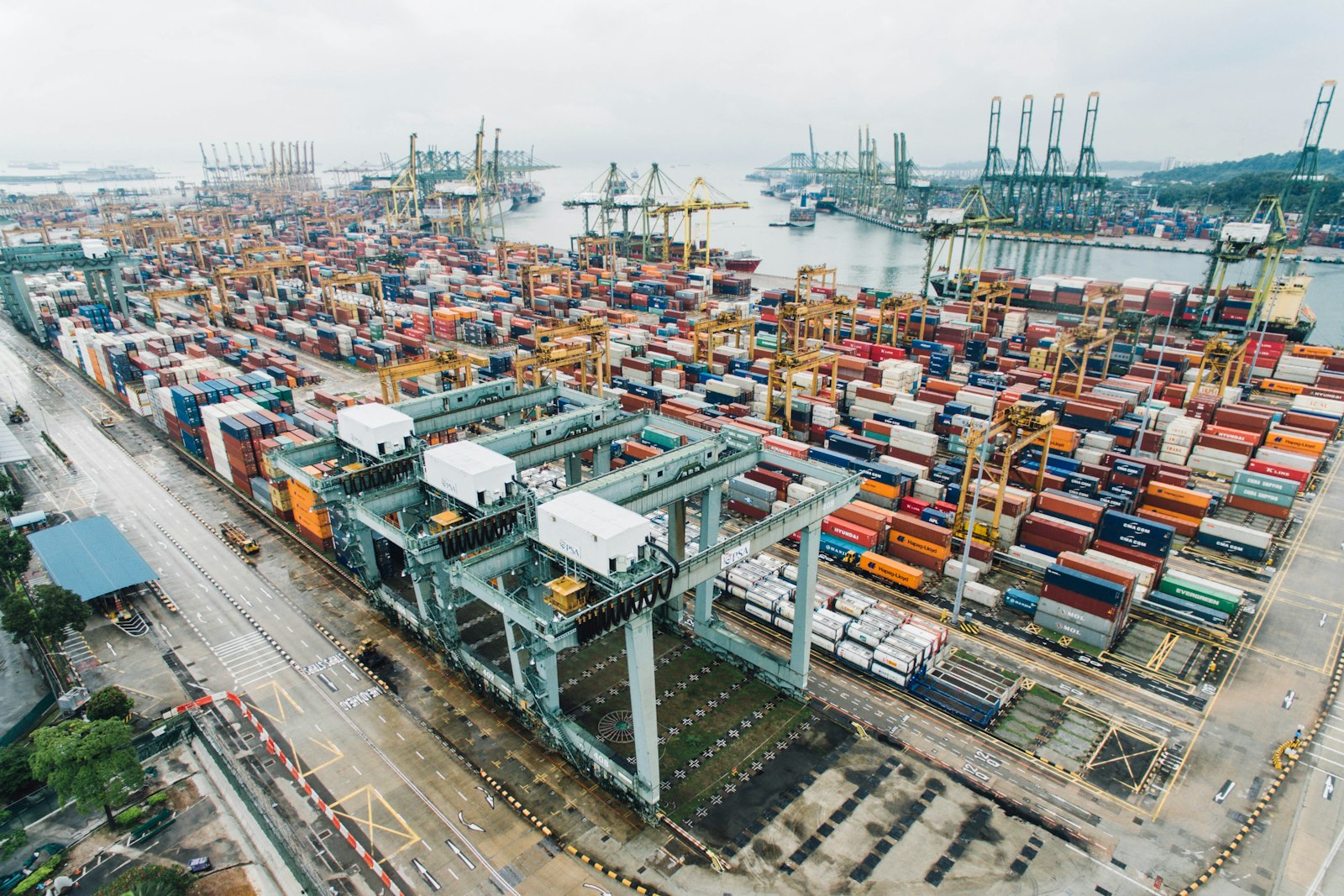
When a container lands on the coast and the freight is headed for an inland market, there’s a routing decision to make, and it’s worth more money than most shippers give it credit for. The default is usually whatever the ocean carrier put on the bill of lading. That default is frequently not the cheapest option, and sometimes not the fastest either. There are really three ways to get that box inland, and the right one depends on the lane, the commodity, and how much the calendar matters.
The three ways inland
Direct IPI (Inland Point Intermodal). The ocean container itself moves inland by rail, on a single bill of lading, from a coastal port to an interior ramp like Chicago, Dallas, Memphis, or Kansas City. One container, one document, the box never gets unpacked until it reaches the inland destination. It’s clean on paper and it’s the default a lot of carriers quote.
Transload. At the port, the ocean container is unloaded and its freight is reloaded into a domestic 53-foot dry van, which then moves inland by truck. You handle the box once at the coast, but that one extra handling unlocks options the ocean container can’t match.
Straight drayage and truck. For shorter inland distances, the container simply gets drayed off the terminal and trucked to destination. No rail, no transload, just wheels.
Each has a lane where it wins.
Where direct rail costs you
Direct IPI on the ocean container sounds efficient, and on the right lane it is. But two things bite.
The first is time. A container moving coast to coast on rail can spend a week or more in transit, and that’s before you count the ramp dwell on either end. Rail moves on its own schedule, with intermediate stops, and a box can sit at a ramp waiting for the next available slot. If the commodity is time-sensitive, that week is expensive in ways that don’t show up on the freight invoice.
The second is cost on the long haul. Direct rail on a single ocean container, coast to coast, can get expensive fast on the line-haul rate alone. And there’s a risk factor that’s gotten harder to ignore: cargo theft has climbed, and freight sitting on rail through multiple stops and yards has more exposure than freight moving straight through on a truck.
Where transload wins
This is the option shippers underuse, and it’s often the answer when direct rail is too slow or too costly.
Transloading the freight into a domestic 53 at the coast does a few things at once. A domestic 53-foot trailer holds meaningfully more than a 40-foot ocean container, so you can consolidate the contents of multiple ocean boxes into fewer domestic units, which changes the per-unit economics on the inland leg. You get the ocean container back to the port and returned quickly, instead of sending the carrier’s box on a multi-week trip across the country. And you can often get the freight to an inland destination faster and cheaper than waiting on a direct rail move with multiple stops, while cutting the theft exposure that comes with a container sitting on the rail network for days.
The tradeoff is the handling: transload is one more touch, one more place freight gets loaded and unloaded, which means one more point to do it right. On the correct lane, for freight moving several hundred miles or more inland, that single extra handling frequently pays for itself several times over.
Where straight drayage is the answer
Not every inland move needs rail or transload at all. For shorter distances, the whole rail question is a distraction. Dray the container off the terminal, truck it to destination, done. Rail’s efficiency only overcomes the added transfer time on longer lanes, generally past a few hundred miles. Under that, the transfers and ramp dwell cost you more time than the rail line-haul saves. Straight trucking is faster, simpler, and often cheaper on short inland hauls.
How the decision actually gets made
There’s no universal answer, which is exactly why the default bill-of-lading routing is so often wrong. The real call weighs a few things at once: how far inland the freight is going, how fast it has to get there, how much freight you’re moving and whether it consolidates, and how much theft exposure factors into the total. A shipment going 300 miles inland and a shipment going 2,000 miles inland are not the same decision, and treating them the same is how money gets left on the table.
The pattern we see: direct IPI for straightforward long-haul boxes where time isn’t tight, transload when the freight is moving far enough inland to consolidate and the calendar matters, and straight drayage for anything close enough that rail is just added handling.
The bottom line
Moving a container inland is a decision, not a default. The routing the ocean carrier hands you is one option, not the answer, and on plenty of lanes it’s the slowest and most expensive one. Knowing when to transload instead of railing the ocean box, and when to just put it on a truck, is the difference between a landed cost that makes sense and one you overpaid without realizing it.
This is the call we make for shippers on port-to-inland freight every week, weighing the lane, the commodity, and the clock before the container ever moves. If your inland routing has just been whatever the carrier quoted, it’s worth a second look.